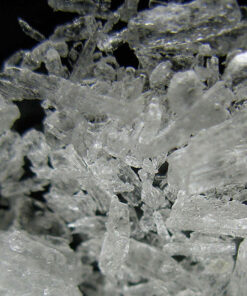
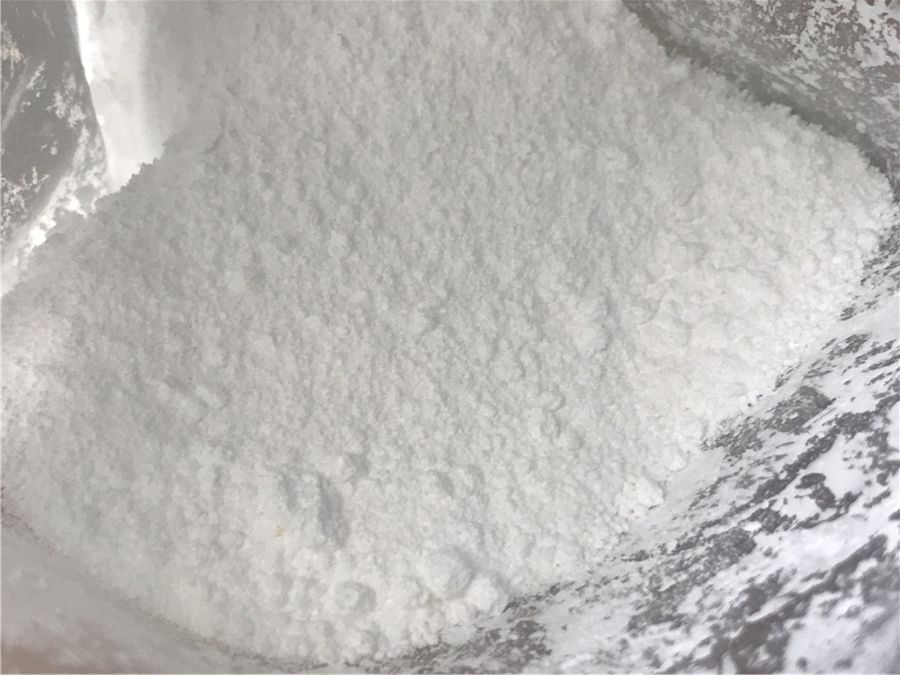
Nortilidine
Price range: €90.00 through €3,100.00
Nortilidine is an opioid analgesic, an analog of tilidine, with similar effects. The opioid potency of Nortilidine is approximately similar to morphine. This drug also has activity on NMDA and dopamine reuptake inhibitor.
Unique properties
-Incredibly powerful analgesic properties, derivative of tilidine.
– Unlike most opioids, Nortilidine has a unique pharmacological profile. The action of this drug makes it a unique research tool for exploring potential therapeutic benefits and side effects.
Nortilidine buy
Nortilidine buy (C₁₆H₂₁NO₂) is a metabolite of tilidine with a molecular weight of 259.34 g/mol for the free base form . The compound exists in different enantiomeric forms, with (+)-Nortilidine, also known as (1S,2R)-nortilidine, being one of the primary active forms . The chemical structure of nortilidine features an ethyl 2-(methylamino)-1-phenylcyclohex-3-ene-1-carboxylate framework, which is essentially tilidine with one of the methyl groups attached to the nitrogen replaced by hydrogen .
The hydrochloride salt form of nortilidine (C₁₆H₂₁NO₂·HCl) has a molecular weight of 295.80 g/mol . Different forms of nortilidine are identified by distinct CAS numbers, with (+)-Nortilidine assigned 37815-44-4, while the free base carries the CAS number 38677-94-0, and the hydrochloride salt is identified as 34596-11-7 .
Synonyms and Nomenclature
Nortilidine is known by several synonyms and systematic names in scientific literature:
- (+)-Nortilidine
- (1S,2R)-nortilidine
- Ethyl trans-(+)-2-(methylamino)-1-phenyl-3-cyclohexene-1-carboxylate
- 3-Cyclohexene-1-carboxylic acid, 2-(methylamino)-1-phenyl-, ethyl ester, trans-(+)- (9CI)
- IUPAC name: ethyl (1R,2S)-2-(methylamino)-1-phenylcyclohex-3-ene-1-carboxylate (for the hydrochloride salt)
Physical and Chemical Characteristics
The compound possesses specific physicochemical properties that influence its pharmacological behavior. As a derivative of tilidine with one less methyl group on the nitrogen, nortilidine demonstrates greater ability to cross the blood-brain barrier compared to its parent compound . This characteristic is crucial for its analgesic efficacy, as it allows the molecule to reach its site of action in the central nervous system more effectively than tilidine itself.
Pharmacological Properties
Nortilidine functions primarily as an opioid analgesic, exerting its effects through interaction with opioid receptors in the central nervous system . It is classified as a μ-opioid receptor agonist, binding to these receptors with high affinity to produce analgesic effects . Unlike its parent compound tilidine, which serves as a prodrug, nortilidine is directly responsible for the therapeutic effects observed following tilidine administration .
Mechanism of Action
The analgesic activity of tilidine is mediated almost exclusively by nortilidine, which readily penetrates the blood-brain barrier and acts as a potent agonist at the μ-opioid receptor . This receptor binding triggers a cascade of intracellular signaling that results in pain suppression through various mechanisms, including decreased neurotransmitter release from afferent pain fibers and altered pain perception in the central nervous system.
Pharmacodynamic Effects
Clinical studies utilizing the cold pressor test have demonstrated the analgesic effects of nortilidine. In one study, there was a significant reduction in pain and withdrawal thresholds compared to placebo at 0.75 hours after tilidine administration, corresponding to peak plasma concentrations of nortilidine . The area under the withdrawal threshold curve was significantly affected by modulation of nortilidine concentrations, confirming its central role in the analgesic effect of tilidine .
The pharmacodynamic relationship between plasma concentration and analgesic effect has been established, with peak effects typically observed when nortilidine reaches maximum plasma concentration approximately 0.8 hours after oral tilidine administration under normal conditions .
Metabolism and Pharmacokinetics
Nortilidine represents a key component in the sequential metabolism of tilidine, serving as both a metabolite of tilidine and a precursor to bisnortilidine . This metabolic pathway is critical to understanding the pharmacological effects and potential drug interactions associated with tilidine administration.
Pharmacokinetic Parameters
Nortilidine demonstrates distinct pharmacokinetic properties compared to its parent compound. Table 1 summarizes the key pharmacokinetic parameters of nortilidine compared to tilidine based on clinical studies.
Table 1: Comparative Pharmacokinetic Parameters of Tilidine and Nortilidine
| Parameter | Tilidine | Nortilidine | Reference |
|---|---|---|---|
| Volume of distribution (L) | 1326 ± 477 | 275 ± 79 | |
| Clearance (ml/min) | 1198 ± 228 | 749 ± 119 | |
| Bioavailability (%) | 7.6 ± 5.3 | – | |
| Typical tmax (h) after oral tilidine | – | 0.8 | |
| AUC after IV tilidine 50 mg (ng·h·ml⁻¹) | – | 364 ± 124 | |
| AUC after oral tilidine 50 mg (ng·h·ml⁻¹) | – | 375 ± 184 | |
| AUC after IV nortilidine 10 mg (ng·h·ml⁻¹) | – | 229 ± 42 |
The pharmacokinetic studies reveal that nortilidine has a substantially lower volume of distribution and somewhat lower clearance compared to tilidine . Additionally, plasma concentration-time curves of both tilidine and its metabolites (nortilidine and bisnortilidine) decline in parallel, indicating that the disposition of the metabolites is formation rate limited .
| Quantity | 5g, 10g, 50g, 100g, 500g, 1kg |
|---|
Related products